A mouse’s sense of smell is incredibly powerful, and they use it to navigate, detect danger, and find food. Mice are highly sensitive to strong scents, and certain smells are known to repel them. Understanding what do mice hate can help you use smell-based deterrents as part of your rodent control strategy. While they won’t eliminate a full infestation, these scents can prevent mice from entering your home or business. For a more comprehensive solution, consider contacting an exterminator Rosedale CA to ensure your property stays rodent-free.
5 Key Smells That Mice Hate
- Peppermint Oil
- Why they hate it: The strong, fresh scent overwhelms mice and drives them away.
- How to use it: Soak cotton balls in peppermint oil and place them near entry points, behind furniture, or in areas of high rodent activity. Reapply every few days.
- Cinnamon
- Why they hate it: Cinnamon’s spicy scent disrupts their scent-tracking abilities.
- How to use it: Place cinnamon sticks near potential entry points, or sprinkle ground cinnamon in less-trafficked areas such as the attic or basement.
- Vinegar
- Why they hate it: The sharp, pungent smell of vinegar is overwhelming to mice.
- How to use it: Soak cotton balls in white vinegar and place them in corners or areas where mice are likely to hide. Reapply as needed.
- Clove Oil
- Why they hate it: The spicy aroma of clove oil, due to eugenol, is known to repel mice.
- How to use it: Apply clove oil to cotton balls or rags, then place them in mouse-prone areas. Be mindful of the strong scent around humans.
- Ammonia
- Why they hate it: Ammonia mimics the scent of predator urine, signaling danger to mice.
- How to use it: Mix equal parts ammonia and water in shallow containers and place them around entry points or suspected nesting areas. Use cautiously around children and pets.
Why Smell-Based Deterrents Are Effective
Mice rely heavily on their sense of smell to navigate their surroundings, locate food, and detect predators. By introducing unpleasant odors, you can create a barrier that makes your home or business less inviting to these rodents. However, scent-based deterrents are most effective when combined with other methods, such as sealing entry points and using traps. For a more comprehensive solution, it’s best to consult with pest control Rosedale CA experts who can help ensure your property stays rodent-free.
These scents are effective at preventing new rodents from entering, but if you already have an infestation, professional rodent control methods are necessary for eradication.
Steps to Implement Smell-Based Rodent Deterrents
- Identify Entry Points: Mice often enter through small cracks and gaps around windows, doors, or walls. Focus your deterrents on these areas.
- Combine with Other Control Methods: Smell-based deterrents should be part of a broader rodent control strategy. Use traps and seal all entry points to address the issue fully. For comprehensive solutions, trust Rosedale pest control experts to eliminate the problem and prevent future infestations.
- Refresh Regularly: Scents naturally dissipate over time, so it’s important to refresh your deterrents to maintain effectiveness.
Conclusion
Understanding what do mice hate can be a helpful tool in preventing rodent infestations. Using strong scents such as peppermint, cinnamon, and clove oils can deter mice from entering your home or business. Still, these methods should be combined with professional rodent control from Killian Pest Control for long-term results.
If you’re dealing with a rodent problem in Rosedale or the surrounding areas, Killian Pest Control offers expert pest control services that can eliminate infestations quickly and safely. Contact us today to schedule an inspection and get your home or business rodent-free!
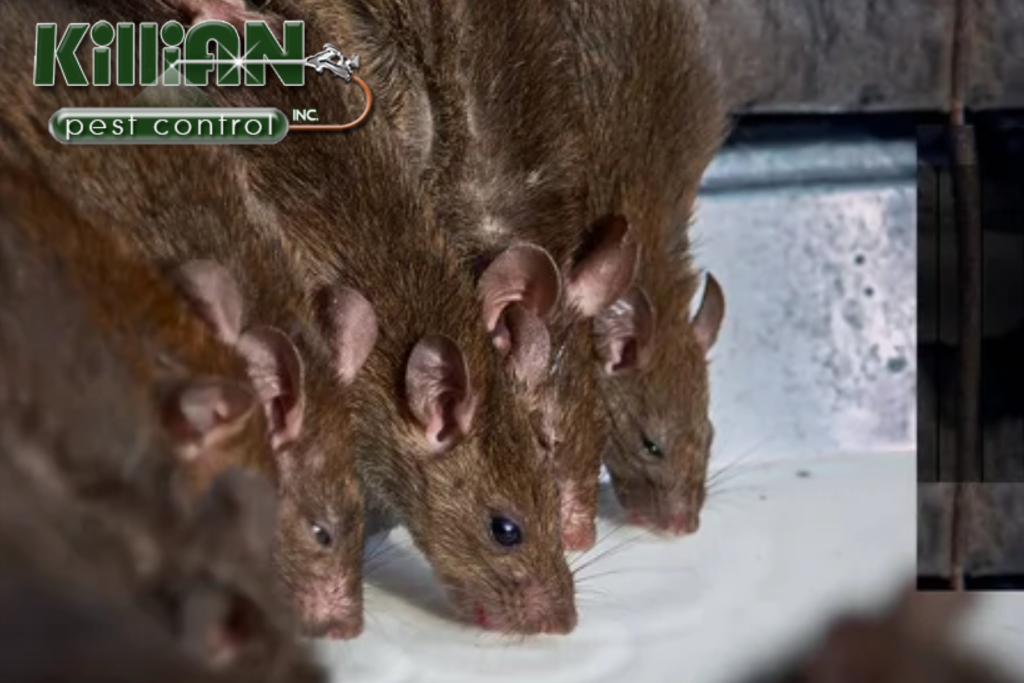
FAQ: People Also Ask About Mice and Rodent Control
1. What do mice hate the most?
Mice are most repelled by peppermint oil and cinnamon. These strong scents overwhelm their sensitive olfactory system, making them avoid treated areas.
2. Can mice be controlled with just smells?
While scents like peppermint and clove oils can repel mice, they are not a complete solution for a full infestation. Smell-based deterrents are most effective when combined with traps, sealing entry points, and other rodent control methods.
3. How can I stop mice from coming inside my house?
To keep mice out, seal cracks and gaps, use smell-based deterrents like peppermint oil and cinnamon, and ensure your home is clean and free from food sources.
4. Are there other natural ways to repel mice?
In addition to peppermint oil, garlic, eucalyptus oil, and onions can also deter mice. However, these methods are most effective when used alongside professional rodent control.
5. How do I know if I have a rodent infestation?
Signs of an infestation include droppings, gnaw marks, and scratching sounds at night. If you spot any of these, it’s time to call a professional exterminator.