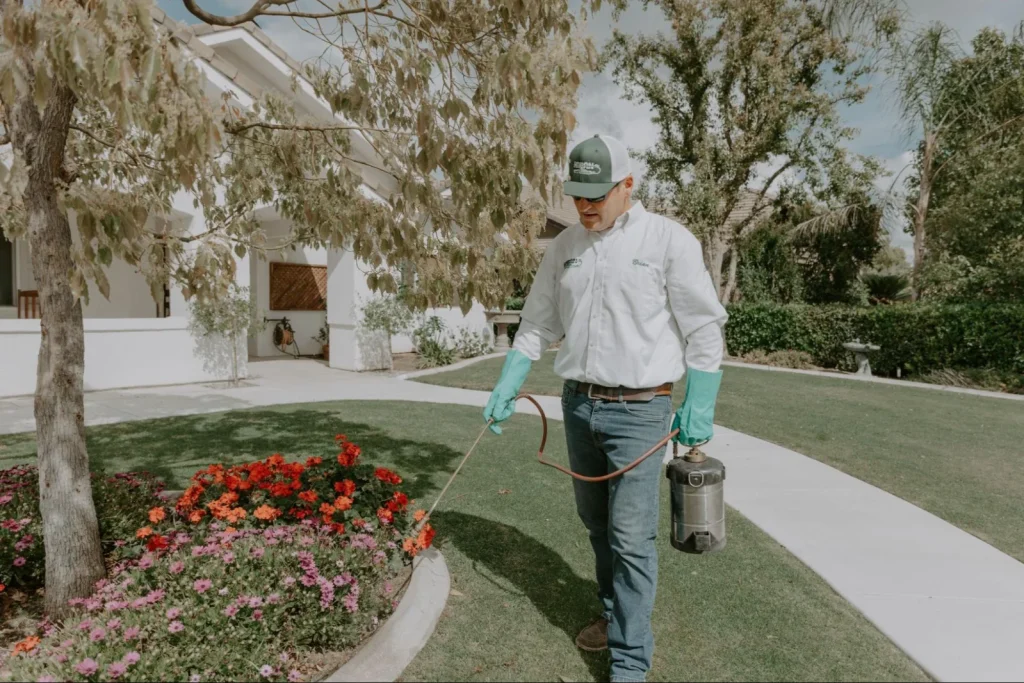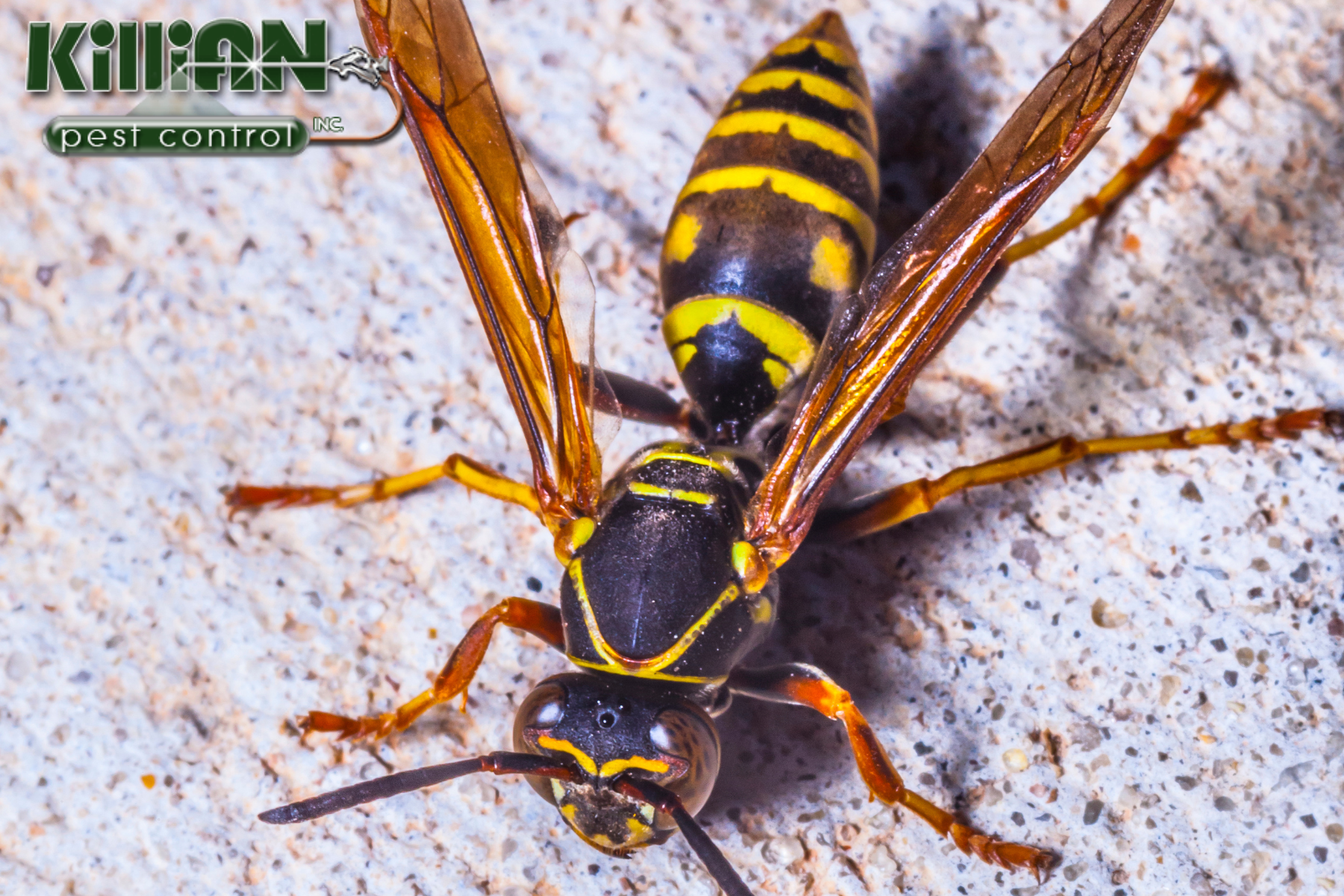
Wasps can be a nuisance during the warmer months, especially when they invade your garden or backyard. Their aggressive nature and painful sting make them unwelcome guests. While conventional wasp control methods are effective, many people are turning to more natural solutions to keep these pests at bay. One of the most popular and eco-friendly alternatives is using essential oils as wasp repellents. In this article, we’ll explore how essential oils work, which oils are most effective, and how you can use them to create a safe and natural wasp repellent for your home and garden.
Understanding Wasps and Their Behavior
Before diving into how essential oils can help keep wasps away, it’s important to understand a bit about wasps and their behavior. Wasps are typically more active during late spring and summer, as this is when they are building their nests and foraging for food. They are attracted to sweet scents, sugary substances, and protein-based foods like insects.
However, wasps can also be territorial and aggressive, especially if they feel their nest is threatened. This is why many people want to keep them away from their homes or gardens without resorting to harmful pesticides or harsh chemicals. This is where essential oils come in, natural oils that have been proven to repel wasps in a safe and non-toxic manner.
Why Essential Oils Work as Wasp Repellents
Essential oils are concentrated plant extracts known for their strong smells. These potent scents can be overwhelming to insects like wasps, disrupting their ability to communicate, navigate, and forage. In addition to their strong aroma, many essential oils have insect-repellent properties, making them highly effective at deterring wasps from nesting near your home or garden.
The strong, pungent odors emitted by essential oils can confuse wasps and mask the smells that attract them to your home, such as the sweet scents of food or sugary drinks. Furthermore, certain oils contain compounds that repel wasps by irritating their sensory receptors. Using essential oils as a natural wasp repellent is an eco-friendly and chemical-free way to protect your space from unwanted visitors.
Best Essential Oils to Use as Wasp Repellents
Several essential oils are known to be effective at repelling wasps. Below are some of the most powerful oils you can use to create a natural wasp repellent.
1. Peppermint Oil
Peppermint oil is one of the most widely used essential oils for insect repellent purposes. Its strong minty scent is known to irritate wasps and discourage them from approaching. In addition to repelling wasps, peppermint oil can also deter ants, spiders, and mosquitoes. The scent of peppermint oil can mask other attractive smells, making it an excellent choice for keeping wasps away from your home.
2. Eucalyptus Oil
Eucalyptus oil is another potent essential oil that is effective against wasps. Its fresh, strong aroma is unpleasant to wasps, and it can disrupt their ability to communicate and navigate. In fact, eucalyptus oil has been used for centuries in traditional medicine for its insect-repellent properties. It’s an excellent natural alternative for anyone looking to keep wasps at bay.
3. Citronella Oil
Citronella is one of the most popular natural insect repellents. It’s well known for its ability to keep mosquitoes away, but it is also effective at repelling wasps. The strong citrus scent of citronella masks the smells that attract wasps, making it an excellent choice for preventing infestations around outdoor spaces like patios, gardens, and picnic areas.
4. Lemongrass Oil
Lemongrass oil is a natural insect repellent with a fresh, lemony scent that effectively repels wasps. It’s particularly useful for deterring wasps from outdoor events or gatherings. Additionally, lemongrass oil can be combined with other oils like peppermint or eucalyptus to create a more powerful repellent.
5. Tea Tree Oil
Tea tree oil is known for its antiseptic and antimicrobial properties, but it also has insect-repellent qualities. The strong scent of tea tree oil is unpleasant to many insects, including wasps. This oil can be used in a spray to keep wasps away from your garden, home, or any outdoor space.
6. Clove Oil
Clove oil has a spicy, warm scent that is highly effective at repelling wasps. This oil can disrupt the wasps’ scent receptors, making it difficult for them to detect food sources. It’s a great option for anyone who wants to keep their outdoor spaces wasp-free, especially during the late summer and early fall months.
How to Use Essential Oils as Wasp Repellents
Using essential oils to repel wasps is easy and cost-effective. There are several ways to apply essential oils around your home and garden, including using sprays, diffusers, or homemade sachets. Below are some simple methods for using essential oils to keep wasps away.
1. Essential Oil Spray
One of the most popular ways to use essential oils as wasp repellents is by making a DIY essential oil spray. It’s simple to make and can be applied directly to areas where wasps are likely to be present, such as porches, patios, or near the entrance of your home.
How to make an essential oil spray:
- 1 cup of water
- 10-15 drops of your preferred essential oil (such as peppermint, eucalyptus, or citronella)
- 1 tablespoon of witch hazel or rubbing alcohol (optional, helps mix the oil and water)
Combine the water, essential oil, and witch hazel or rubbing alcohol in a spray bottle. Shake well before using, and spray the mixture around your home, especially in areas where wasps are likely to nest. Reapply the spray every few days or after rainfall to maintain its effectiveness.
2. Essential Oil Diffuser
An essential oil diffuser is another great way to disperse the scent of essential oils into the air. By using an essential oil diffuser in your outdoor areas, you can create an environment that is less attractive to wasps. Place the diffuser near seating areas or entrances to keep wasps away.
3. Cotton Ball Sachets
If you’re dealing with a small area or a mild infestation, you can use cotton balls soaked in essential oils to deter wasps. Simply soak a cotton ball in your chosen essential oil and place it in areas where you’ve noticed wasp activity. Replace the cotton balls every few days to keep the scent fresh.
Additional Tips for Wasp Control
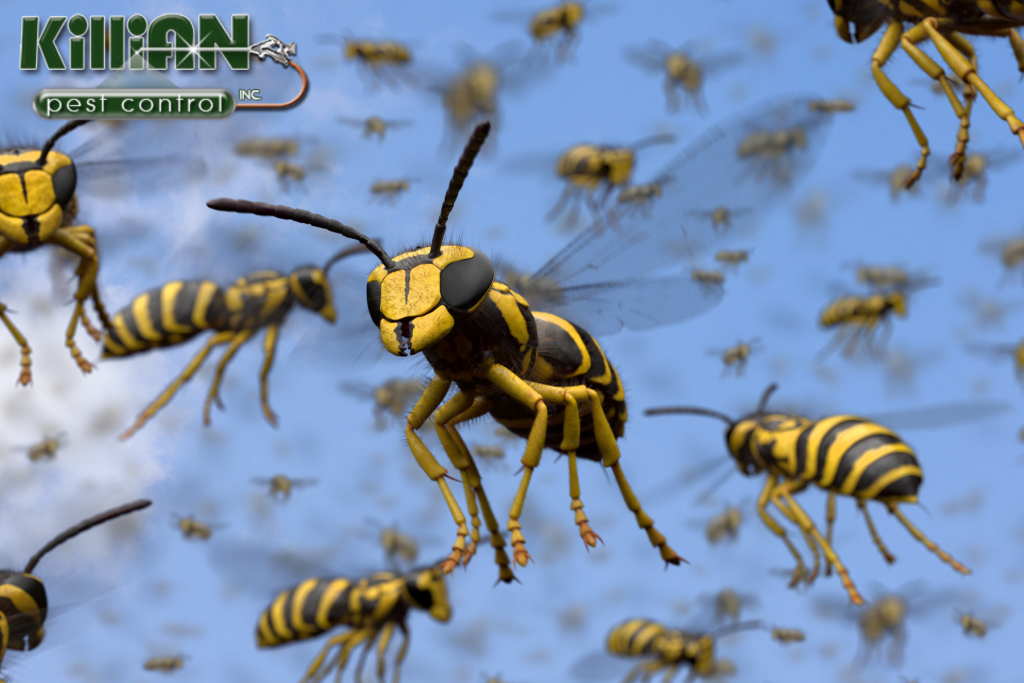
While essential oils can be effective at repelling wasps, there are other strategies you can use to reduce the likelihood of attracting them to your home or garden.
- Keep food covered: Wasps are attracted to sugary foods, so keep food and beverages covered when eating outdoors.
- Remove fallen fruit: Fruit trees are a common attraction for wasps. Make sure to pick up any fallen fruit to avoid attracting wasps to your garden.
- Seal entry points: Wasps can build nests in wall cavities, attics, or other sheltered areas. Make sure to seal any cracks or gaps in your home to prevent wasps from entering.
If you’re dealing with a large wasp infestation or want professional assistance, look for wasp control near me to find local experts who can help manage the problem safely and effectively.
About Killian Pest Control
At Killian Pest Control, we offer comprehensive pest control McFarland CA services to ensure your home and garden remain safe and free from unwanted pests. Whether you need wasp control or other pest management solutions, our expert team is here to provide efficient, eco-friendly treatments. We proudly serve the surrounding areas, helping homeowners protect their properties with effective, natural McFarland pest control options.