Many homeowners ask are house spiders dangerous when they start seeing webs in corners or small spiders around their home. In most cases, the answer is no. The majority of spiders found indoors are harmless house spiders that actually help control other pests such as flies, ants, and mosquitoes.
However, it is still important to understand spider behavior and proper identification. Knowing which spiders are harmless and recognizing potential spider species identification dangers can help you decide when to leave spiders alone and when to take action.
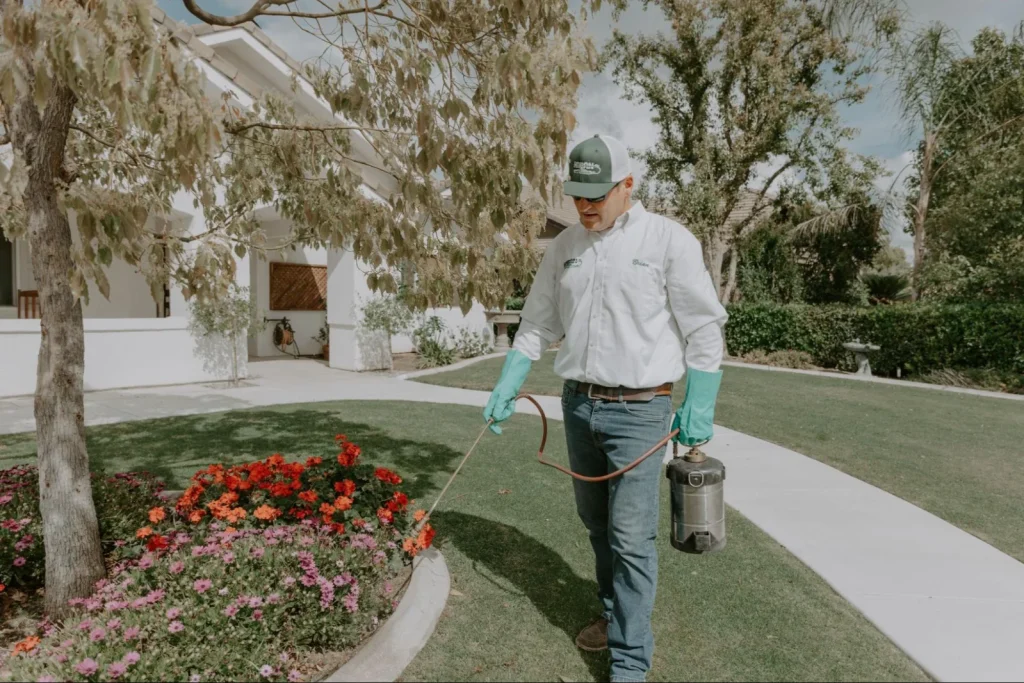
In this guide, we’ll explain whether spiders are dangerous, how to identify common species around your home, and what steps you can take to manage activity safely. If spider activity becomes frequent, homeowners often reach out to pest control professionals who can inspect the property and help reduce spider populations.
Are Household Spiders Dangerous
Many people wonder are household spiders dangerous when they find them indoors. The truth is that most spiders living inside homes are not harmful to humans. These spiders typically avoid human interaction and only bite if they feel threatened.
Most indoor spiders are considered harmless spiders because they mainly feed on insects and help control pest populations. By catching flies, mosquitoes, and other small insects, spiders actually provide a natural form of pest control.
That said, there are a few venomous spider species that homeowners should be aware of. While bites are rare, understanding these spiders helps homeowners avoid unnecessary risks.
If you’re unsure about the spiders in your home, contacting a McFarland exterminator can help with proper identification and, if needed, safe removal.
Venomous Spiders to Watch Out For
While most spiders are harmless, a few species can cause stronger reactions if they bite humans. In North America, the two spiders most commonly associated with medically significant bites are the black widow and the brown recluse.
Understanding these spiders helps homeowners recognize potential spider species identification dangers while avoiding unnecessary fear of harmless spiders.
Black Widow Spiders
Black widow spiders are known for their shiny black bodies and the distinctive red hourglass shape on their abdomen.
They are commonly found in:
• garages
• basements
• sheds
• wood piles
• outdoor storage areas
Although their venom can cause muscle pain and cramping, fatalities are extremely rare. Medical treatment is usually effective.
Brown Recluse Spiders
Brown recluse spiders are typically light brown and have a violin-shaped marking on their back.
They prefer quiet and undisturbed spaces such as:
• closets
• attics
• storage boxes
• under furniture
Their bite can cause skin irritation and, in rare cases, tissue damage. However, encounters with brown recluse spiders are relatively uncommon.
When homeowners suspect venomous spiders around their home, professional McFarland pest control services can help safely identify and remove them.
How to Identify Common Spider Species Around Your Home
Learning to identify common spider species helps determine whether they pose a danger or are simply harmless house spiders doing their job of controlling insects.
Most spiders found in homes are beneficial and help reduce other pests.
Below are some spiders commonly found around homes.
House Spider
The house spider is one of the most common indoor spiders. These small gray or brown spiders spin irregular webs in corners, basements, and attics.
They are considered harmless house spiders because they rarely bite humans and primarily feed on insects inside the home.
For homeowners asking are household spiders dangerous, the common house spider is a great example of a species that is generally harmless.
Wolf Spider
Wolf spiders are larger spiders that actively hunt their prey rather than building webs.
They are often found in:
• gardens
• garages
• basements
Despite their intimidating size, wolf spiders are not aggressive toward humans, and their bite is typically mild.
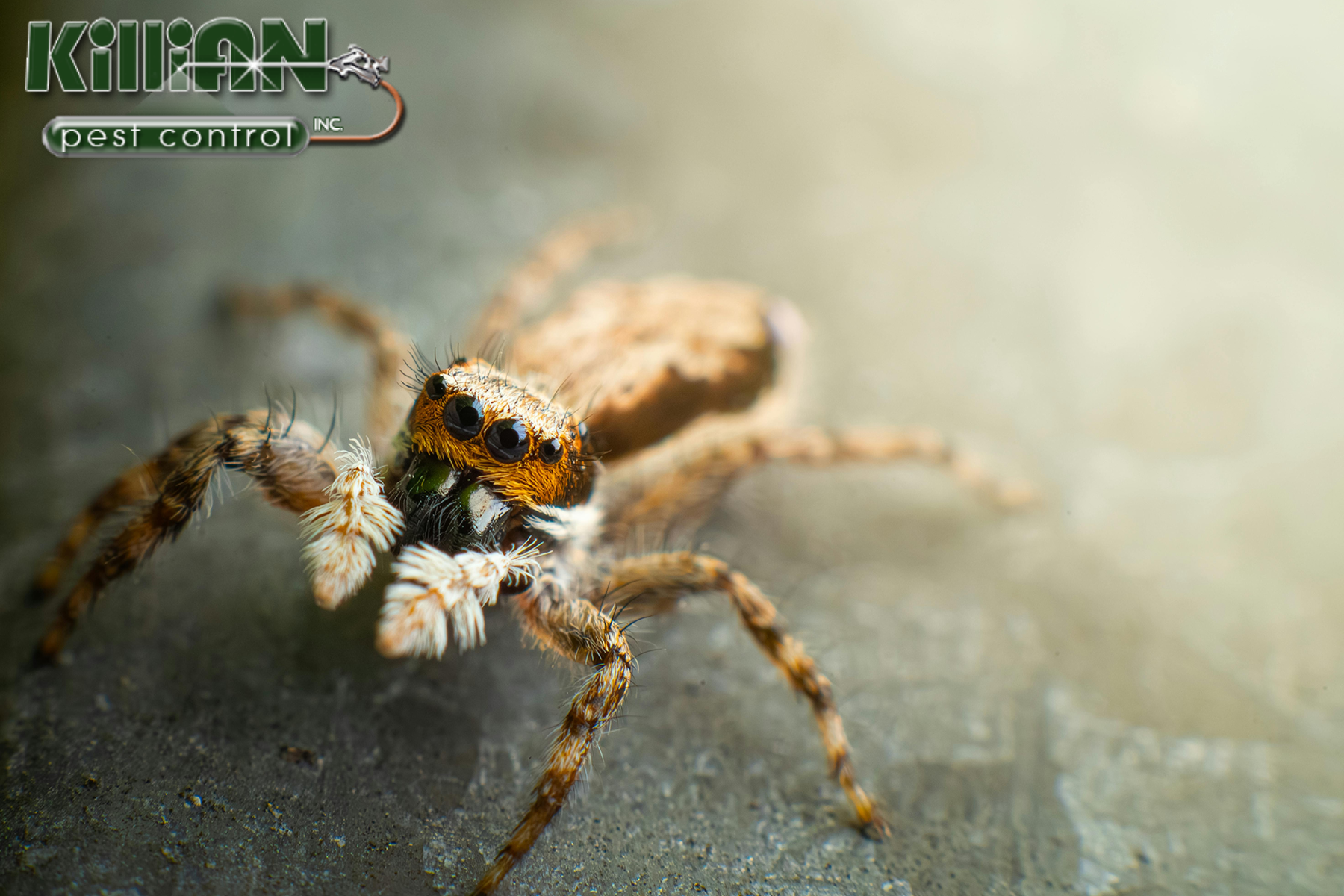
Jumping Spider
Jumping spiders are small active hunters that rely on their strong eyesight to catch insects.
They are commonly seen moving quickly across walls or windows. Jumping spiders are among the most common harmless spiders found indoors.
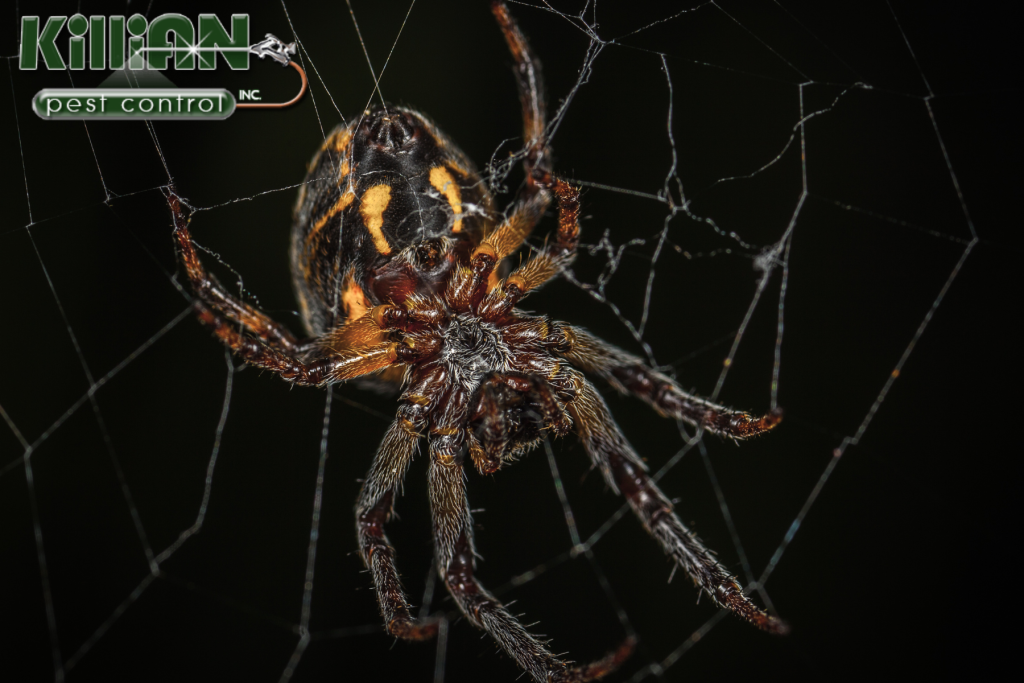
Garden Spider
Garden spiders are typically found outdoors and spin large symmetrical webs in gardens or around plants.
While their appearance may seem intimidating, their venom is not harmful to humans, and they help control outdoor insect populations.
Yellow Sac Spider
Yellow sac spiders are pale yellow or white spiders often found hiding in corners or ceilings.
They build small silk sacs where they rest during the day. While their bite may cause mild irritation, they are not considered dangerous.
Spider Species Identification Dangers
Understanding spider species identification dangers is important because many spiders look similar. Misidentifying a spider can lead to unnecessary fear or ignoring potentially harmful species.
Key factors to consider when identifying spiders include:
• body color and markings
• web shape
• size and body structure
• location where the spider is found
• behavior and movement
If you are unsure about a spider species, contacting an exterminator can help ensure accurate identification and safe treatment.
Why Spiders Enter Homes
Spiders typically enter homes for three main reasons.
Food
Shelter
Protection from the weather
Homes provide spiders with quiet hiding places and a steady supply of insects.
Common reasons spiders appear indoors include:
• cracks in windows or walls
• cluttered storage areas
• outdoor lighting attracting insects
• vegetation close to the home
Reducing these factors can significantly reduce spider activity.
How to Get Rid of Spiders
If spiders become a problem in your home, there are several steps you can take to manage them.
Seal Entry Points
Spiders often enter through small cracks in windows, doors, or foundations. Sealing these openings helps prevent spiders from getting inside.
Keep Your Home Clean
Spiders are attracted to areas with abundant prey. Keeping your home clean and controlling other pests will help reduce spider populations.
Remove Spider Webs
Regularly removing spider webs discourages spiders from settling in the same areas.
Natural Repellents
Some homeowners use peppermint or eucalyptus oil as natural spider deterrents.
Spider Traps
Sticky traps can help capture spiders in areas where they are frequently seen.
If spider populations become difficult to manage, professional pest control services in McFarland, CA, can help identify problem areas and apply targeted treatments.
Spider Control
If you are searching for spider control near me, a professional company can help identify the species present in your home and determine whether they are harmless or require treatment.
A trained exterminator can inspect your home, remove spider webs, and reduce insect populations that attract spiders in the first place.
Professional inspections help ensure that spider problems are handled safely and effectively.
About Killian Pest Control
At Killian Pest Control, we provide reliable pest management solutions for homes and businesses. Our team specializes in spider control and a wide range of pest services.
If you are dealing with spiders or other pests, our technicians can help. We proudly provide pest control residents trust for safe, effective solutions. Our experienced team focuses on long-term prevention to keep your home comfortable and pest-free. Contact us today!
FAQs: People Also Ask
Are household spiders dangerous to humans?
Most household spiders are not dangerous. Many are harmless spiders that help control insects inside homes and rarely bite unless threatened.
How can I tell if a spider is dangerous?
Dangerous spiders usually have distinctive markings or behaviors. Learning the dangers of basic spider species identification can help determine whether a spider poses a risk.
What are the most common harmless house spiders?
Common harmless house spiders include house spiders, jumping spiders, wolf spiders, and garden spiders. These species mainly hunt insects and rarely harm humans.
Why do spiders enter homes?
Spiders usually enter homes in search of food, shelter, and protection from the weather. Homes with insects often attract spiders looking for prey.
When should I call a pest control professional for spiders?
If you notice increasing spider activity, unidentified species, or possible venomous spiders, a professional inspection can help identify and safely manage the problem.